

How much does it cost to renovate a house? It depends far more on scope than on square footage. A cosmetic refresh, a renovation of the kitchen and bathrooms, and a full renovation of every room are three very different budgets. This guide breaks down home remodel cost by scope and by room, using general market ranges for Richmond and Metro Vancouver, so you can plan a realistic number.
Westcove Renovation has renovated homes across Richmond since 2016. For an overview of our whole-home work, visit our Richmond home renovation page. To see a full-scope project finished, visit The Aragon full home project.
These are general market ranges, not quotes. Your home may land higher or lower:
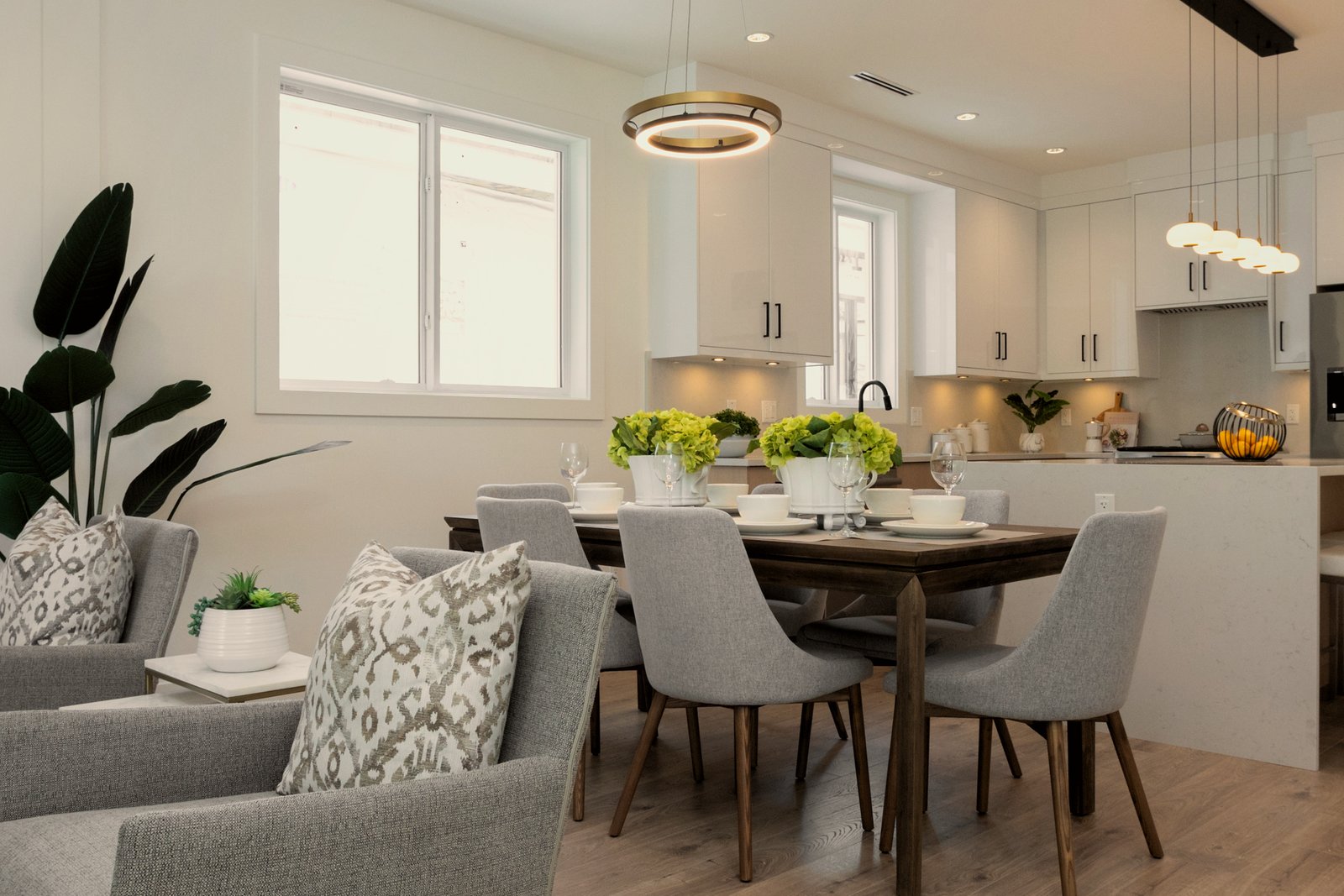
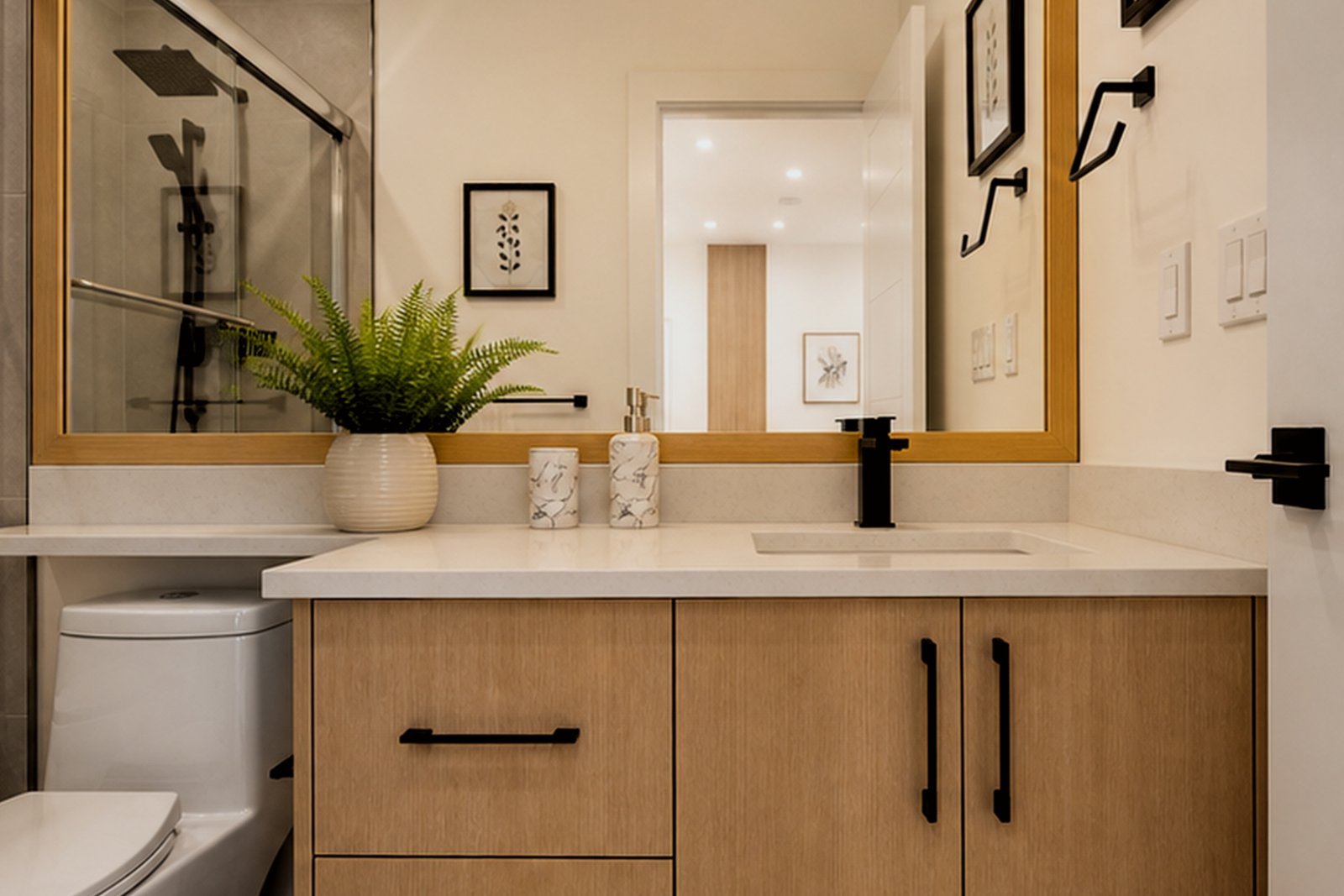
Layout changes. Moving walls, plumbing or gas lines adds trades, engineering and often a permit. Keeping the layout is the biggest single saving.
Finishes. Cabinetry, counters, tile and fixtures can double the cost of the same room depending on what you choose.
Systems. Updating electrical panels, plumbing or heating adds cost but is easiest to do while walls are open. Heat pumps, insulation and windows may qualify for rebates through CleanBC Better Homes, and accessibility work may qualify for the federal home accessibility tax credit.
Permits and design. Drawings, engineering and permits are part of any project that changes structure. Our guide to renovation permits in Richmond explains when they apply, and the City of Richmond building permit page has current fees and forms.
Phasing spreads the cost over time, but each phase has its own setup, protection and cleanup. If two rooms share plumbing or walls, doing them together is usually more efficient. Our Richmond renovation cost guide covers how to plan phases.
Richmond has everything from 1970s split-levels and ranchers to newer two-storey homes and townhouses, so renovation budgets vary widely across the city. Older homes often need more system updates, while newer homes put more of the budget into layout and finishes. The ranges above are a good starting point, and a walkthrough turns them into a number for your house.
If you like your neighbourhood and the lot, renovating lets you stay and shape the home around how you live. Moving brings its own costs, including real estate fees, property transfer tax and moving expenses, so many families find that renovating gives them more for the same budget. If the house needs to grow, a home addition can add the space without leaving.
Older homes often have more to update behind the walls, such as electrical panels, plumbing and insulation, which is easiest to bring up to date while rooms are open. Homes built before 1990 should be tested for hazardous materials before demolition, as WorkSafeBC requires. Newer homes usually need fewer system updates, so more of the budget goes into finishes and layout.
Per-square-foot numbers vary widely because a house is not renovated evenly. Kitchens and bathrooms cost far more per foot than bedrooms or living rooms, so pricing by scope and by room gives a more reliable budget.
Kitchens, bathrooms and any change to structure, plumbing or electrical systems usually take the largest share of the budget.
A whole-home renovation usually takes several months of construction, plus time for design and permits beforehand. Single rooms take weeks.
Yes. Phasing spreads the cost, but each phase has its own setup and cleanup, so group rooms that share plumbing or walls.
The most accurate number comes from a walkthrough of your home. Browse finished projects in the Westcove renovation portfolio, then request a home renovation estimate and we will price the scope with you, room by room.